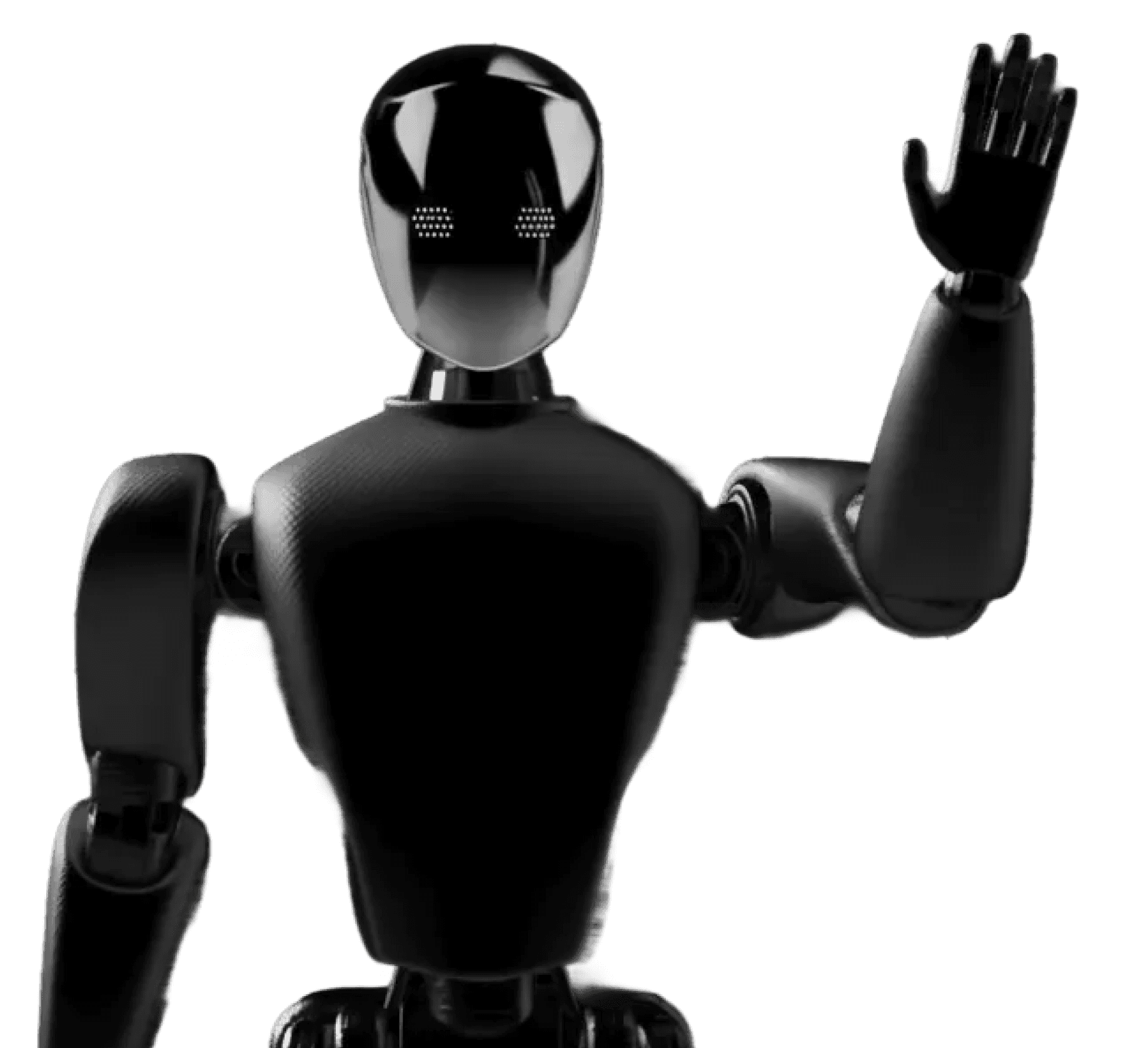
The Sensors Behind Smarter Home Assistance
Every task a robot completes starts with perception. Before it can tidy a room or fetch an item, it has to understand exactly what's in front of it and where everything is, often in lighting conditions and layouts it has never encountered before.Building a Full Picture of the Room
Building a Full Picture of the Room
We combine depth cameras, proximity sensors, and sound localization so the robot isn't relying on a single source of truth. If one sensor is blocked or confused, such as a camera facing direct sunlight, the others fill the gap so the robot doesn't simply stop working.
Proximity sensors for detecting nearby people and pets
Depth cameras for understanding distance and object shape
Microphone arrays for locating sound and spoken requests
Why Redundancy Matters
A single point of failure in perception can mean a robot misreads a room entirely. By layering multiple sensor types together, small errors from any one source get corrected by the others before they ever turn into a mistake the person in the room can notice.
“A robot that can only see is easily fooled. One that can see, hear, and feel its surroundings rarely is.”
This layered approach is what lets our robots work confidently in rooms they've never mapped before, and it's the foundation that every higher-level behaviour, from navigation to object handling, is ultimately built on top of.
DISCOVER
Discover updates
Stay informed with the newest developments and advancements from our team.

Designing a Robot People Can Trust
Building robots that feel safe, reliable, and trustworthy requires thoughtful design, transparency, and human-centered engineering.
Allen Radley
-
Head of Product Design
Designing a Home Robot for Real Life and real work
How modern approaches make robots work seamlessly in real homes by focusing on safety, usability, and everyday practicality.
Alex Reynolds
-
Senior Product Designer