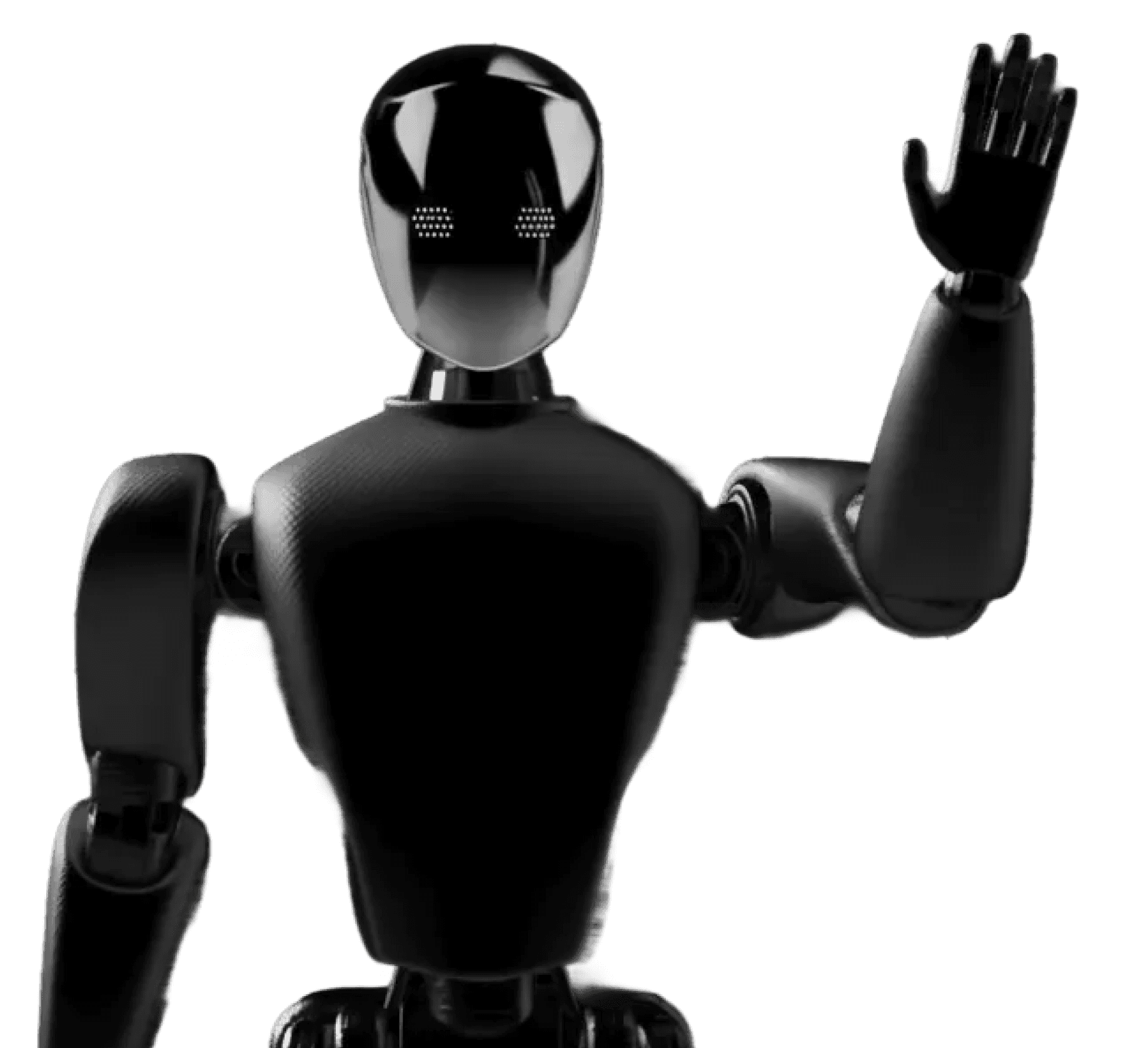
Designing a Robot People Can Trust
Trust is the hardest thing to design for, and the easiest thing to lose. When a robot is sharing your home, every movement, sound, and response either builds confidence or chips away at it. Unlike a phone or a speaker, a home robot occupies physical space, moves near people, and makes decisions in real time, which means the margin for error feels much smaller than it does with any other device in the house.
Where Trust Actually Comes From
We found that trust isn't built through a single big feature. It comes from dozens of small, consistent moments: a robot that pauses before entering a room, that explains what it's about to do, that never surprises you. Over months of in-home testing, we noticed that people didn't ask for more capability first. They asked for predictability, because predictability is what lets someone stop paying close attention to the robot and get back to their day.
Predictable movement patterns instead of sudden actions
Clear audio and visual cues before every task
Transparent logs of what the robot did and when
Consistent responses to the same request, every time
Visible pauses before entering shared or unfamiliar spaces
“People don't need a robot that's perfect. They need one that's honest about what it can and can't do.”
That's the standard we design against every day, and it shapes everything from how our robots move to how they communicate. It also means we sometimes choose the slower, more cautious option over the faster one, because a robot that quietly earns trust over time will always outlast one that simply moves fast and hopes for the best.
Building this way requires a different kind of patience. It means saying no to features that would look impressive in a demo but wouldn't survive constant, familiar use. We'd rather ship a robot that quietly earns confidence over months than one that impresses for a week and gets ignored after that.
DISCOVER
Discover updates
Stay informed with the newest developments and advancements from our team.
Designing a Home Robot for Real Life and real work
How modern approaches make robots work seamlessly in real homes by focusing on safety, usability, and everyday practicality.
Alex Reynolds
-
Senior Product Designer

The Sensors Behind Smarter Home Assistance
A look at the hardware that helps home robots see, hear, and understand the spaces they work in.
Daniel Osei
-
Sensor Systems Engineer