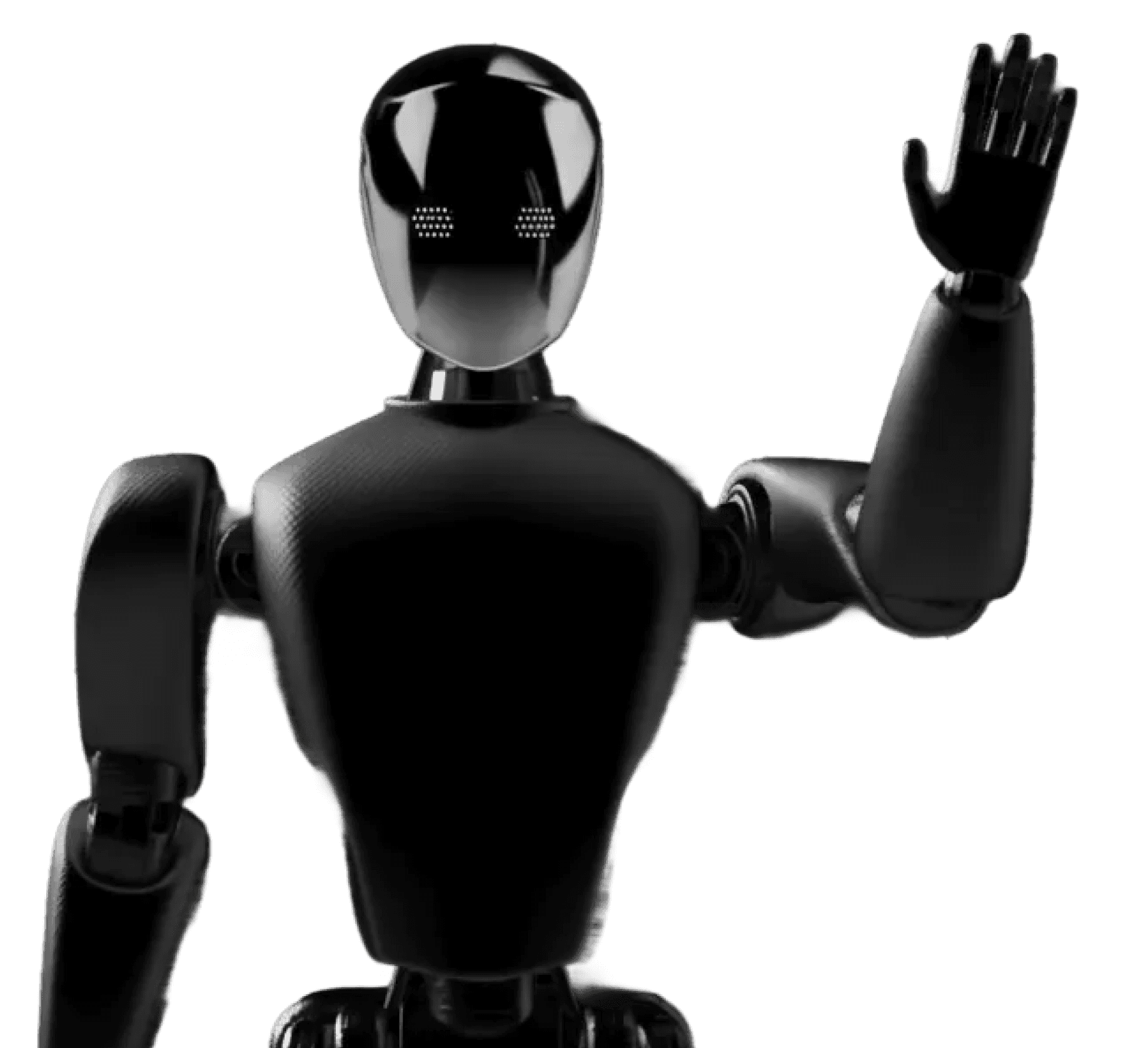
From Prototype to Product: Inside Our Design Process
Building one great robot is hard. Building thousands that all behave consistently, ship on time, and can be repaired easily is a completely different challenge, one that has almost nothing to do with the original design problem.
What Scaling Actually Requires
Modular components that can be swapped without a full teardown
Shared design standards across every product line
Firmware updates that don't disrupt a robot's daily routine
Repair processes that don't require sending a robot back to a factory
Consistency as a Design Goal
A design system isn't just a set of shared parts. It's a shared set of promises about how every robot will behave, no matter which batch it came from or which household it ends up in.
None of this is visible to the person using the robot day to day, and that's exactly the point. Reliability at scale should feel invisible, showing up only as a robot that simply keeps working, generation after generation.
It's also why we resist locking a design in too early. The best improvements often come from the messiest, most unfinished stage of a prototype, when there's still room to rethink something fundamental instead of just polishing what's already decided.
DISCOVER
Discover updates
Stay informed with the newest developments and advancements from our team.

Designing a Robot People Can Trust
Building robots that feel safe, reliable, and trustworthy requires thoughtful design, transparency, and human-centered engineering.
Allen Radley
-
Head of Product Design
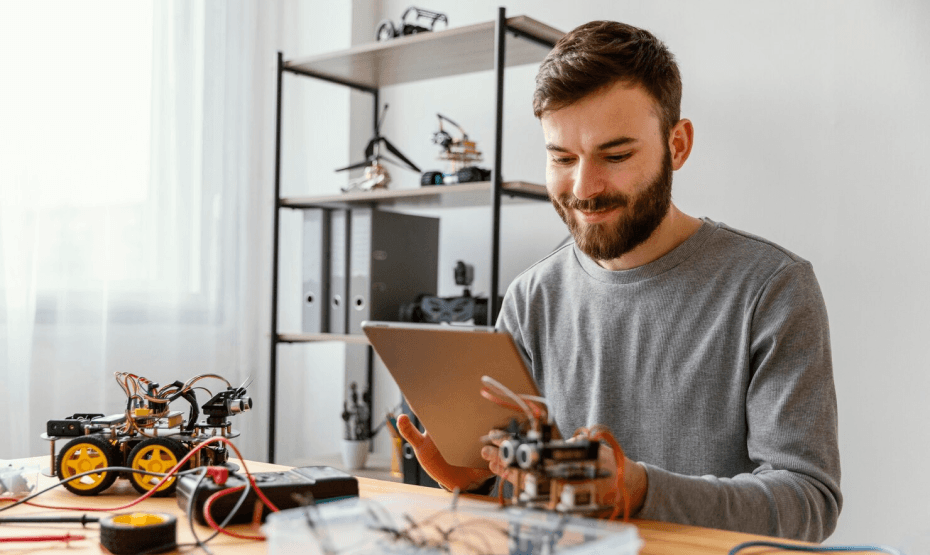
Designing a Home Robot for Real Life and real work
How modern approaches make robots work seamlessly in real homes by focusing on safety, usability, and everyday practicality.
Alex Reynolds
-
Senior Product Designer